

With systematic practice, environmental optimization, and emotional investment, cooking can become a way to express love, not a burden. Even if it's not perfect at first, sincere cooking will surely produce delicious food.Cooking at home is harder than imagined, primarily because the "ideal of simple cooking" doesn't match the comprehensive skills required in reality, including ingredient handling, heat control, and seasoning balance. Add to that the effort put into often overlooked details, and it becomes incredibly challenging.
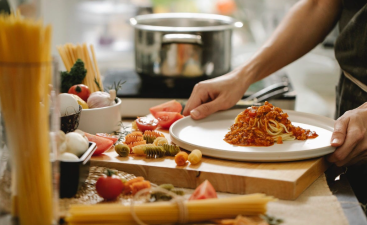
Reasons for the Difficulty of Cooking
Diversification of Dietary Needs:
Compared to the past, modern people have a much more diverse range of dietary choices. In the past, due to limited resources, people's diets were relatively simple, with fewer staple and side dishes, making cooking less complex and difficult. Now, with improved living standards, people have access to more ingredients and cooking methods, leading to higher demands for the taste, color, and nutritional value of food. This diversification makes cooking more complex and challenging.
Pursuit of Healthy Eating:
Modern people increasingly value healthy eating, with stricter requirements regarding the nutritional components and calorie intake of food. For example, some people may need to control their intake of fats, sugars, or salt, while others may need to follow specific dietary principles due to certain health issues (such as high blood pressure or diabetes). This pursuit of healthy eating necessitates more meticulous ingredient and seasoning combinations when cooking, thus increasing the difficulty of preparation.
Satisfying Personalized Tastes:
Everyone's tastes are unique, and modern people place greater emphasis on meeting individual dietary needs. For example, some people enjoy spicy food, while others prefer milder flavors; some favor certain ingredients, while others avoid them altogether. To satisfy these personalized tastes, cooking requires considering each person's preferences and eating habits, undoubtedly increasing the complexity and difficulty of the process.
Increased Time Costs:
In modern society, the pace of life is increasingly fast, and time is increasingly valuable. Many people are too busy with work and time constraints to dedicate sufficient time and energy to preparing and cooking meals. This time pressure makes cooking more difficult, and some even choose to abandon cooking altogether, relying instead on takeout or fast food, because they cannot balance work and family.
Lack of Cooking Skills
While modern people have higher demands for food, not everyone possesses advanced cooking skills. Many people may lack cooking experience, be unfamiliar with the use of ingredients and seasonings, or not have mastered the correct cooking methods. These factors can all lead to difficulties when cooking, preventing the food from achieving the desired taste and nutritional value.
Conclusion
The main reasons for the difficulty in cooking lie in the increasing diversity, healthiness, and personalization of modern people's dietary needs, as well as the increased time costs and lack of cooking skills. To overcome these difficulties, we can try learning new cooking skills, planning our time effectively, choosing ingredients and seasonings that suit our own and our family's tastes, and utilizing modern technology (such as smart kitchen appliances and cooking apps) to assist in cooking.